Article created by: Mariia Tkachenko
Kings, queens, princes, princesses—and everyone in between—the lives of royals have always fascinated us, whether from centuries past or today’s headlines. But that fascination doesn’t always mean we know all the strange, surprising, or downright interesting facts about them.
And there’s no shortage to discover. Like Marie Antoinette’s final words, Henry VIII’s blood type, or which European monarch doesn’t wear a crown. You’ll find these and more in the list below.
Let us know which ones caught you off guard and which ones you already had in your royal trivia bank.
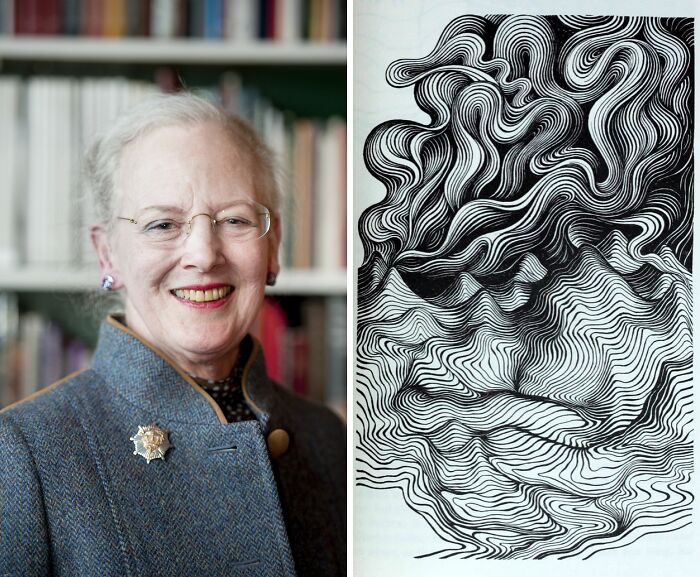
Queen Margrethe II was Queen of Denmark from 1972 to 2024. What many don’t know is that she is also a skilled painter and visual artist. In the early ‘70s, she sent the author of “The Lord of the Rings”, J.R.R. Tolkien, drawings of scenes from the series, and although he was generally difficult to impress, he loved how similar her drawings were to his. Her drawings were eventually published in the 1977 Danish release of “The Lord of the Rings” under her pseudonym Ingahild Grathmer.

As King of Hawaii from 1874 to 1891, David Kalākaua was the first monarch to travel the world. He began his 281-day trip in 1881 and visited at least 12 countries. During his trip, he encouraged immigration, developed relations with other countries, and promoted Hawaiian culture. Some critics in Hawaii believed he used the trip as an excuse just to see the world.

Unlike other European royal houses, the Danish monarchy doesn’t crown the successor in a full coronation ceremony. Instead, they carry out a proclamation from the balcony of the Christiansborg Palace. Following his mother’s abdication of the throne in 2024, Fredrik X became King of Denmark by proclamation. The crown of Denmark is still on display at Rosenborg Castle in Copenhagen because he doesn’t have to wear it.
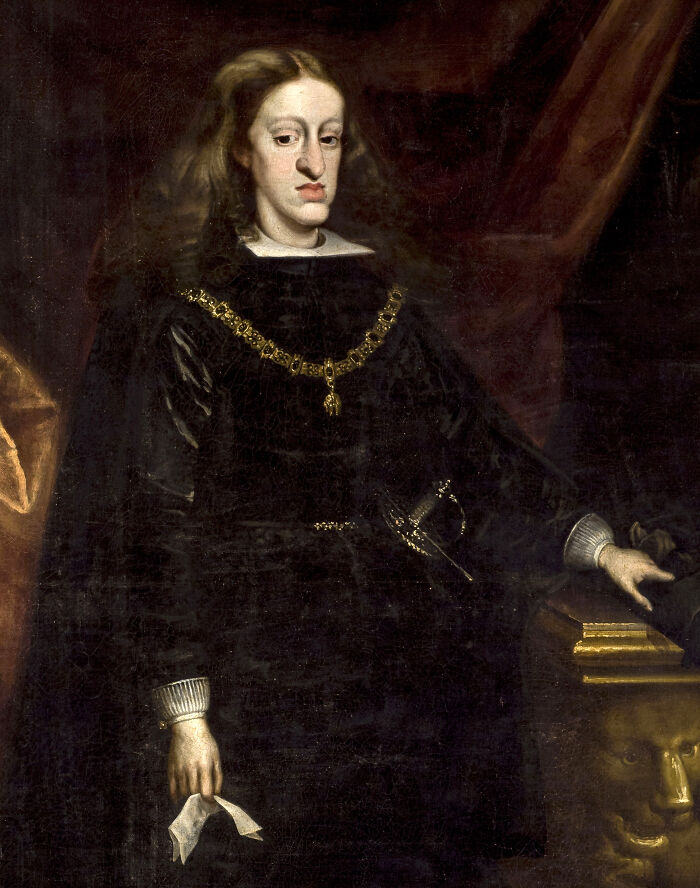
Charles II of Spain was the last monarch of the Habsburgs. The Habsburgs were known for their calculated marriages, and Charles II had an interesting family tree because of one such marriage. His mother was his father’s niece, his grandmother was his aunt, and his great-grandmother was also his grandmother. As a result, Charles had multiple genetic disabilities, including a protruding jaw and a large tongue, which made it difficult for him to speak.
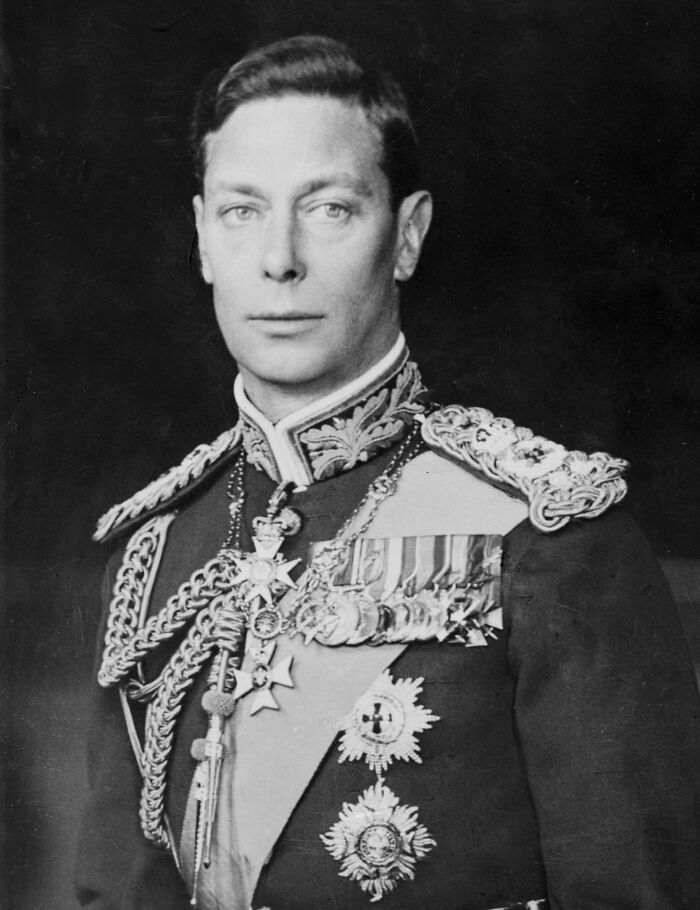
George VI was the King of the United Kingdom and the British Dominions from 1936 to 1952, and he was Queen Elizabeth II’s father. In 1926, he competed in the Wimbledon men’s doubles tournament with Wing Commander Louis Greg. Although the pair lost in straight sets, George VI still made history by being the first member of the royal family to compete at Wimbledon.
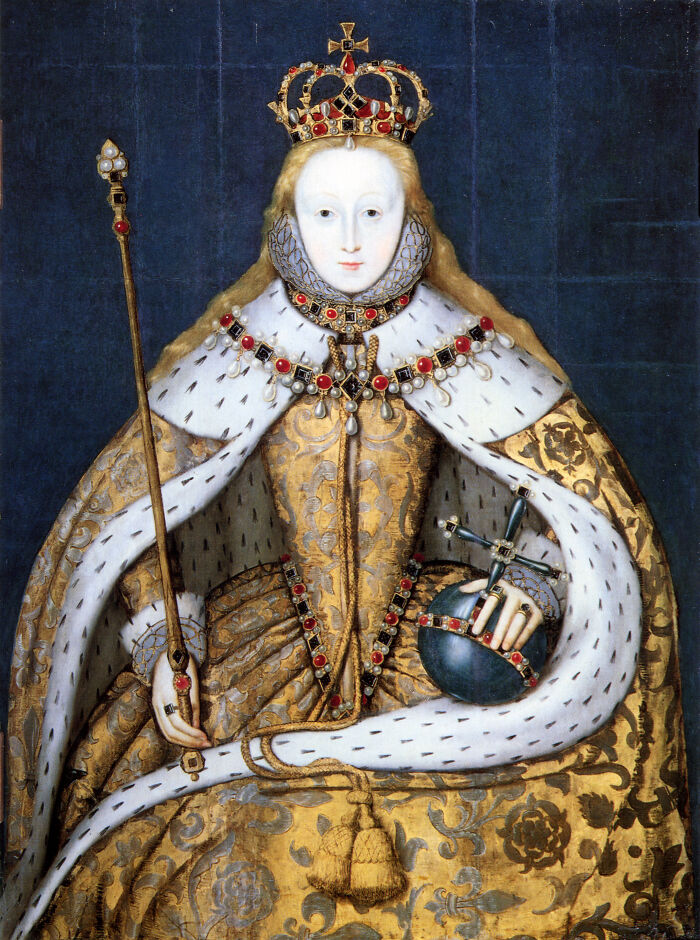
Women in the Elizabethan era wore thick white makeup on their faces down to their décolletages as a symbol of youth, elegance, and fertility. The trend began after Queen Elizabeth I decided to use a thick mixture of white lead and vinegar known as the ‘Venetian ceruse’ to cover up facial scars she developed after a case of smallpox. The mixture gained popularity despite lead posing major health risks when used over an extended period.
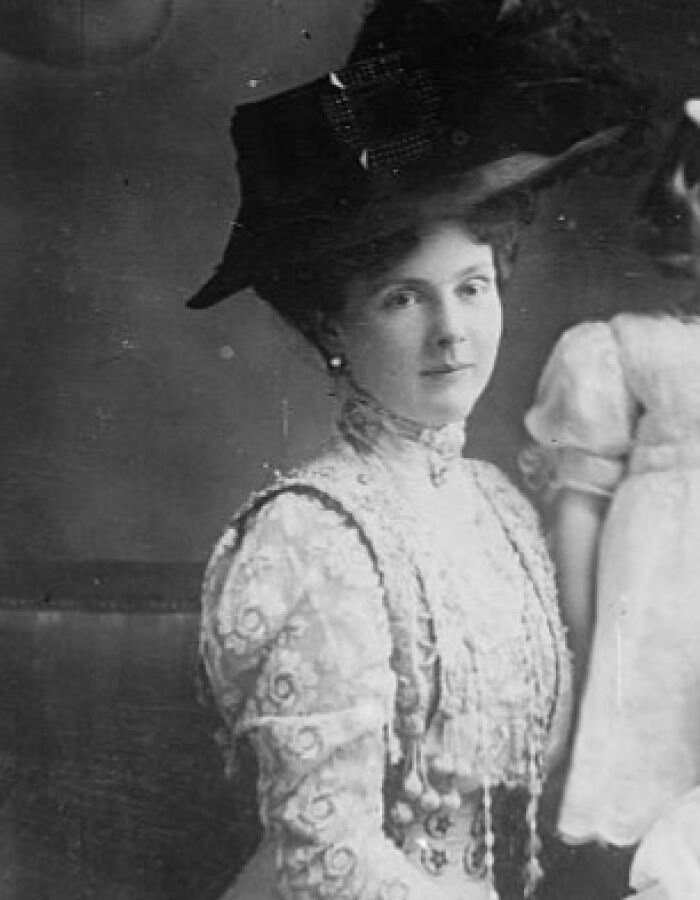
Queen Victoria ruled Britain from 1837 until 1901. She was married to Prince Albert and had 9 children, 42 grandchildren, and 87 great-grandchildren. Her first grandchild passed away in 1866, and her last surviving grandchild, Princess Alice, Countess of Athlone, lived until 1981. Princess Alice was the longest-lived Princess of the Blood Royal and one of the longest-lived British Royals.
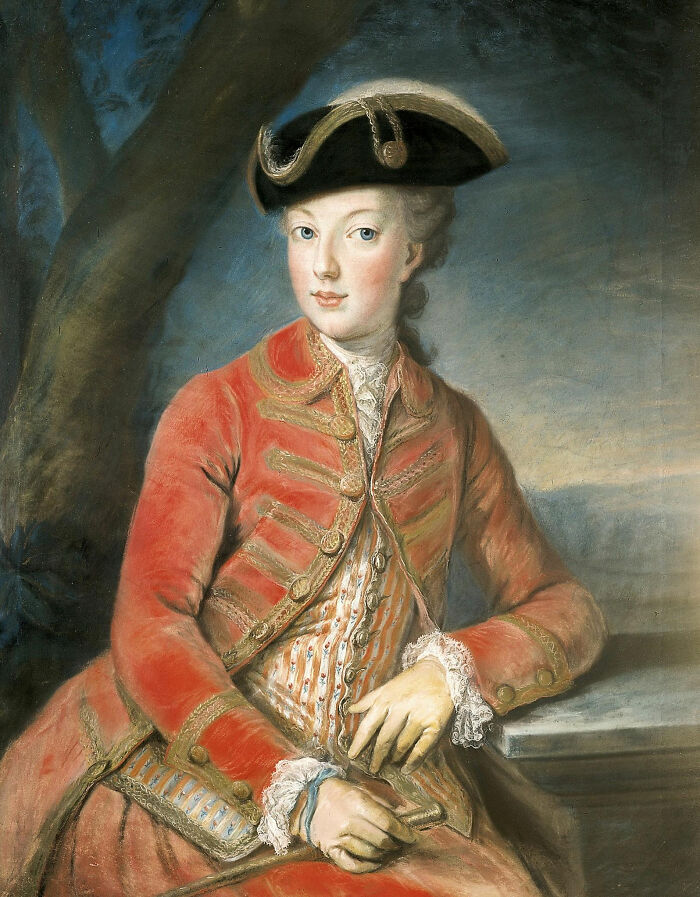
Marie Antoinette was the last queen of France before the French Revolution occurred. She was tried by the Revolutionary Tribunal and found guilty of high treason, depletion of national treasury, and conspiracy against the state. On the last day, her last words were, “Pardon me, sir. I meant not to do it.” This was said to be an apology to her executioner for accidentally stepping on his shoe.
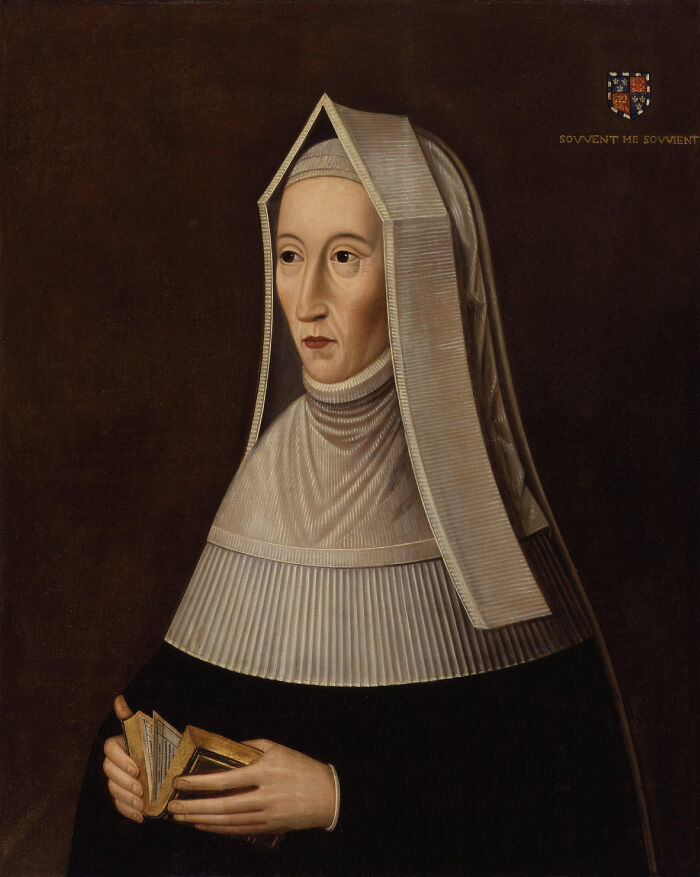
Lady Margaret Beaufort married Edmund Tudor at the tender age of 12 and gave birth to her only son, the first Tudor Monarch, King Henry VII, at 13. She became a widow before the birth, as her husband, Edmund, passed away from the plague. Though she went on to remarry twice, Lady Margaret never conceived any more children. She also requested to be buried next to Edmund, even though she had taken other husbands after him.
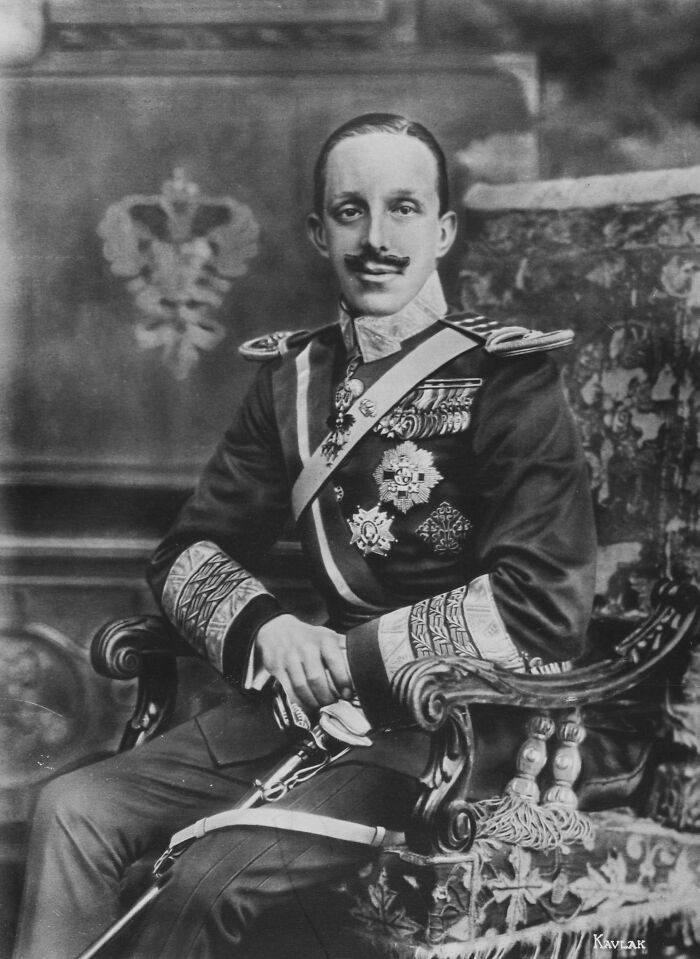
Alfonso XIII was King of Spain until 1931 and is the only monarch in history who was nominated for a Nobel Prize. In 1915, during WWI, he started the European War Office, which was aimed at finding missing or imprisoned soldiers and civilians. He used Spanish finances to fund the office, resulting in many countries appreciating his work. For this, he was nominated for the Nobel Peace Prize in 1917. He was also nominated for a second time in 1933 after he went into exile.
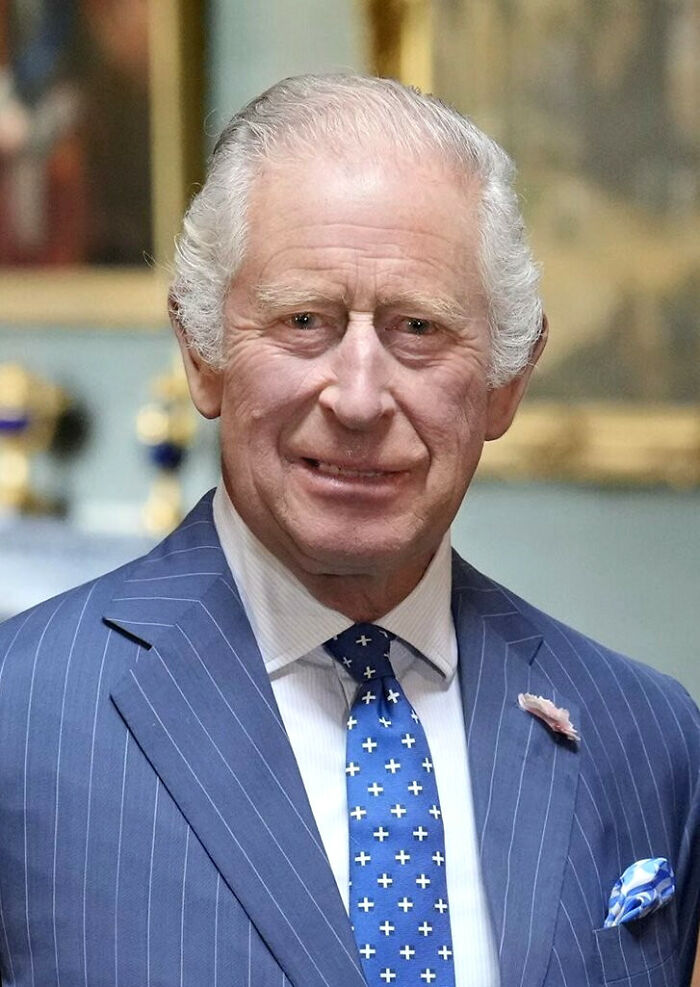
King Charles III broke royal tradition by being the first heir to proceed to university straight after high school instead of joining the British Armed Forces. He enrolled at Trinity College in Cambridge and studied anthropology, archaeology, and history. He also attended the University College of Wales in Aberystwyth in his second year to study Welsh history and learn the Welsh language. In June 1970, he graduated from the University College of Wales with a BA degree.
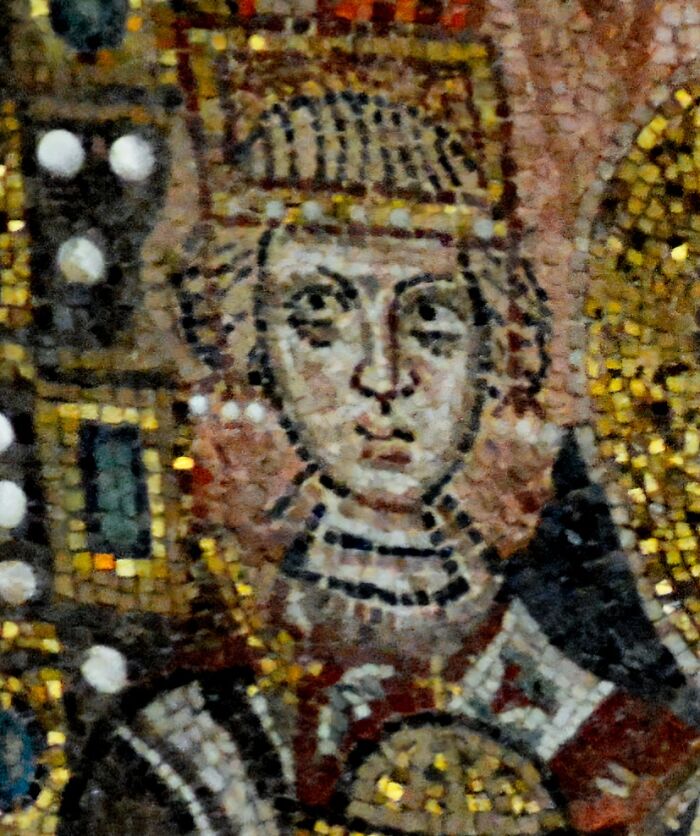
In 685, Justinian II succeeded his father, Constantine IV, as emperor of the Byzantine Empire. During his time as emperor, Justinian’s unpopular policies sparked a rebellion led by Leontios, one of his subjects. In Byzantine culture, the emperor had to be free of any blemishes, so when Leontios deposed Justinian, he severed his nose, making him ineligible to reclaim the throne. In 705, Justinian wore a gold nose prosthetic and reclaimed the throne.
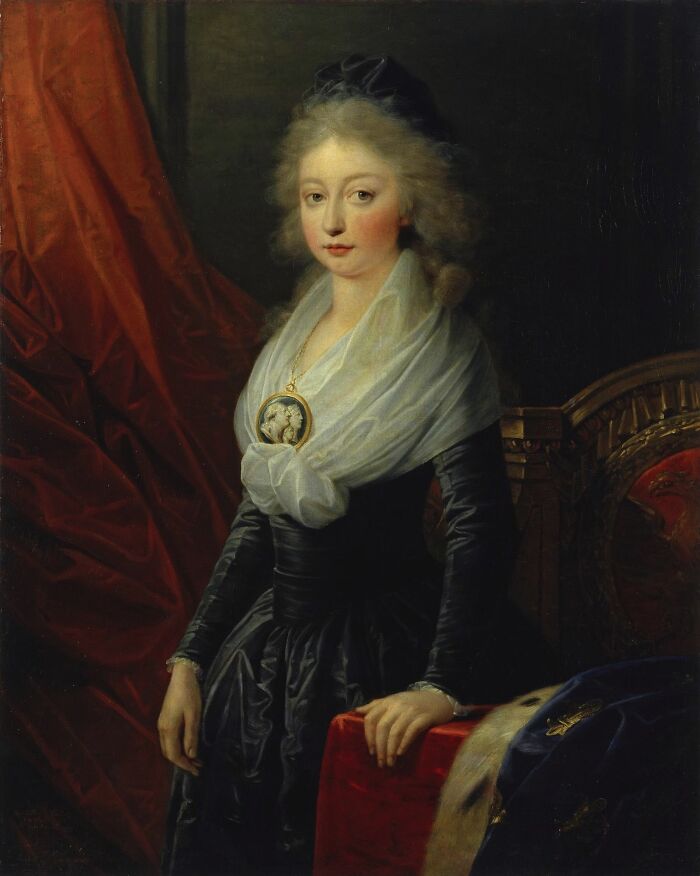
Marie-Thérèse Charlotte was the only child of Louis XVI and Marie-Antoinette to reach adulthood. Her uncle and father-in-law, Charles X, rose to the French throne in 1824. After the July revolution, both Charles and Marie Thérèse’s husband, Louis, abdicated within 20 minutes of each other, making her Queen of France for that brief period. Some sources identify her 20-minute reign as the shortest in history.

King Louis XIV, also known as Louis the Great, was King of France from 1643 until 1715. His influence spread throughout France, and he controlled the church and aristocracy. In what is considered the longest reign in European history, Louis the Great ruled for 72 years. It was so long that he outlived both his son and grandson. His great-grandson eventually became his successor after his passing.
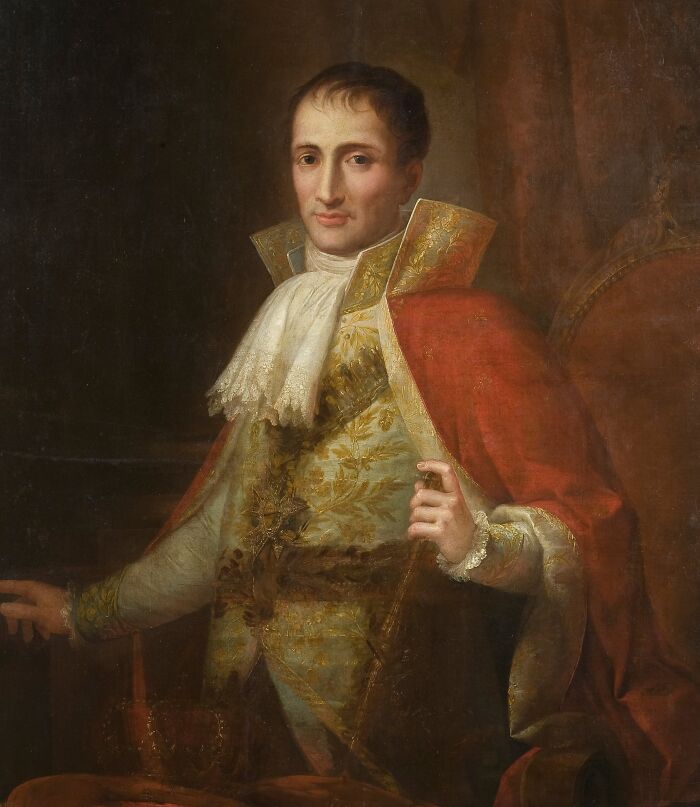
Joseph Bonaparte was elected King of Naples and King of Spain by his brother, Emperor Napoleon Bonaparte. When Napoleon was defeated in 1815, Joseph fled to the United States and settled in New Jersey. In 1820, he built a mansion to replace his home after it burned down. His new home was generally viewed as “the second-finest house in America,” with the White House being the first. He even entertained many politicians and intellectuals there.
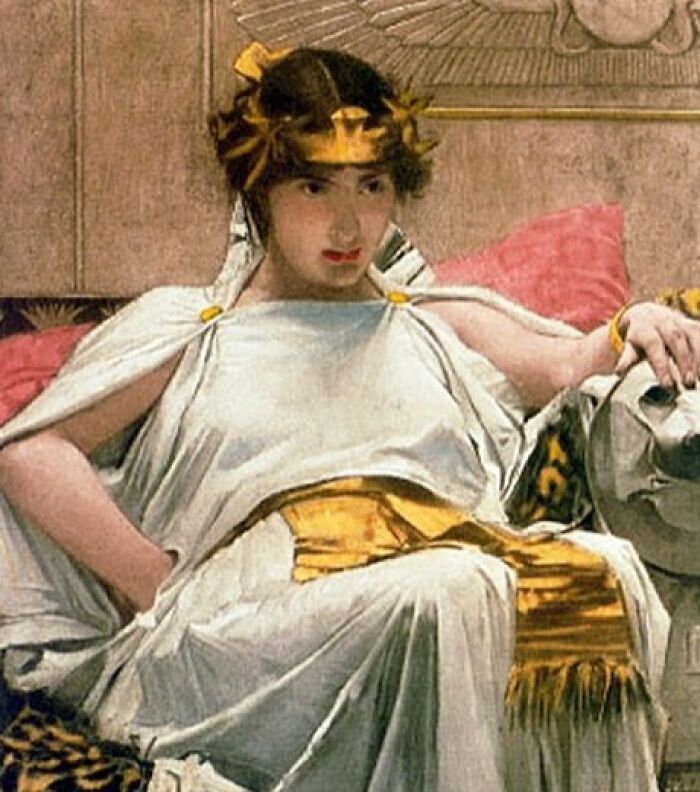
Although Cleopatra was the queen of Egypt, she was ethnically Macedonian and traditionally spoke Koine Greek. Her family, the Ptolemies, had ruled over Egypt since 305 BC but never made any effort to learn the Egyptian language. Because she was bright and adept at languages, she was the first and only member of her family who learned how to speak Egyptian.

Marie Antoinette built Hameau de la Reine (The Queen’s Hamlet), an entire village of houses and farm structures in the park of the Palace of Versailles in France. Some of the structures in the Hamlet were working structures, while others were simply for her amusement. In the company of her friends, Marie would dress up in plain dresses and straw hats like a simple girl.

Embroiled in a scandal involving the passing of her husband, Mary Queen of Scots fled to England, where her cousin, Queen Elizabeth I, sat on the throne. Viewing her as a threat to her throne, Queen Elizabeth placed Mary under house arrest for 19 years. Mary was eventually executed after being found guilty of conspiracy. Ironically, Mary’s son became King of England, Scotland, and Ireland after Elizabeth’s passing.
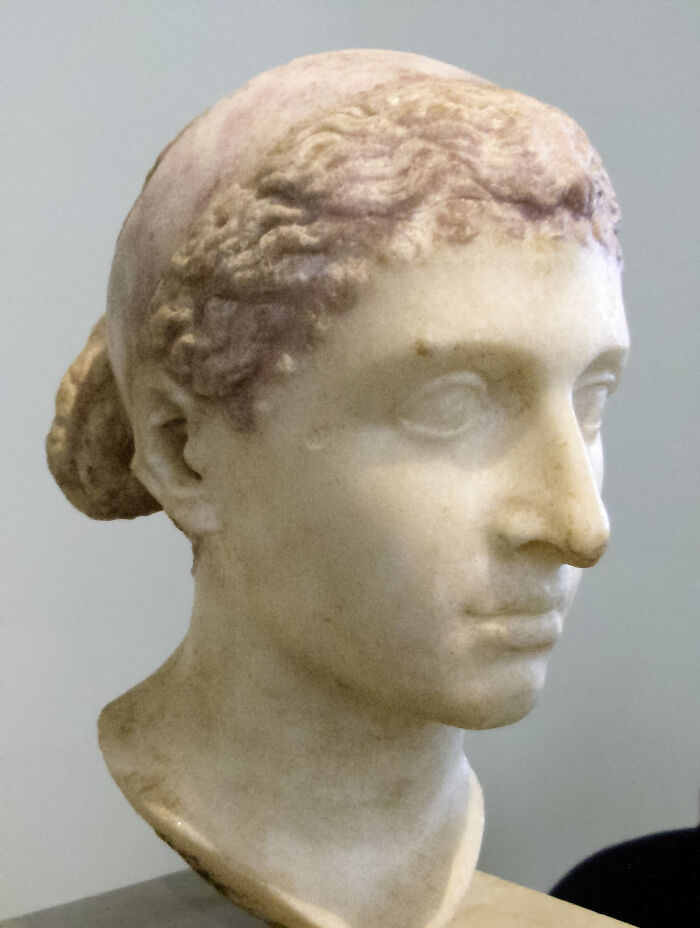
Cleopatra was Queen of the Ptolemaic Kingdom of Egypt from 51 to 30 BC. After her passing, she was buried with her partner Mark Anthony in a burial crypt in Alexandria, Egypt. Several historians placed the tomb near a Temple of Isis. Archaeologist Franck Goddio located the remains of a palace with artifacts related to Cleopatra’s reign during a geographical survey of Alexandria, but her tomb remains undiscovered.

Charles II was a 9th-century king and emperor, best known by his nickname Charles the Bald. However, the nickname wasn’t meant to be taken literally, as the monarch was not bald at all. In fact, he had a lush head of hair. Another theory suggests he got the nickname “bald” because of his sense of humor.

According to a new study by bioarcheologist Catrina Banks Whitley and anthropologist Kyra Kramer, King Henry VIII’s mental and physical decline in his midlife, as well as his wives’ and mistresses’ failed pregnancies, may have been caused by his Kell-positive blood type. They believe King Henry inherited the gene from his maternal great-grandmother, Jacquetta of Luxembourg. In addition, McLeod syndrome, common only in individuals with Kell-positive blood, could be the reason why the King also suffered from severe leg pain.

The Kingdom of Tavolara, a 5-square-kilometer island that’s a part of Italy, is best known for being the smallest kingdom in the world. Although the monarchy isn’t officially acknowledged, the Bertoleoni family has the most influence over the island, which is now mostly a tourist attraction. The current king, Antonio Bertoleoni, and the crown princess, Maddalena, run the island’s two restaurants. Antonio also spends most of his time fishing, selling souvenirs, and gardening.
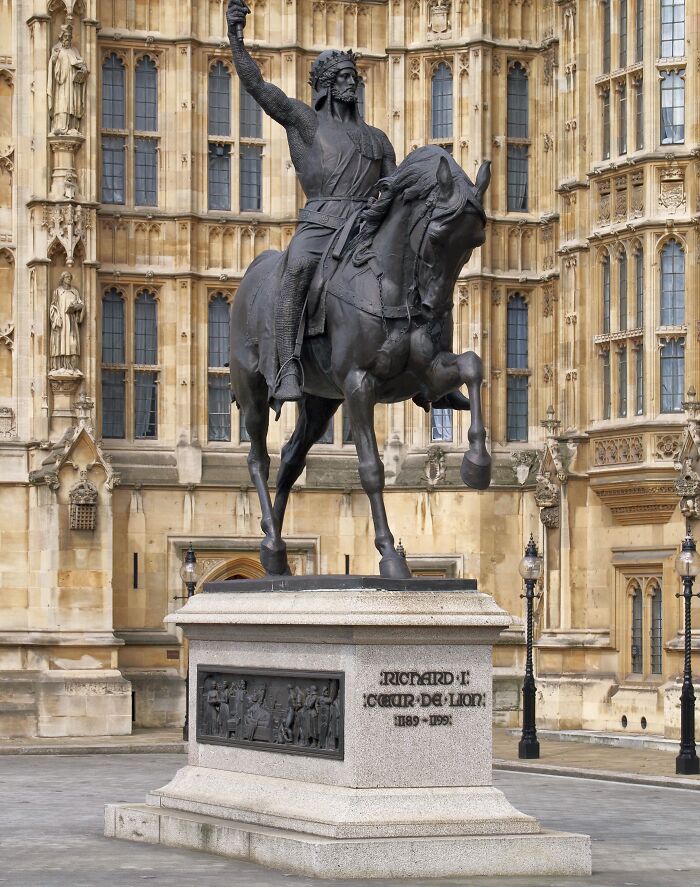
Richard I, also known as Richard the Lionheart, was king of England from 1189 to 1199. Although he was born in England, he spent most of his adult life in the southwest of France. He was a committed crusader and remained one even after becoming king. If he wasn’t on crusade, he was in captivity or defending the French parts of the Angevin Empire. Consequently, he spent as little as six months in England during his 10-year reign.
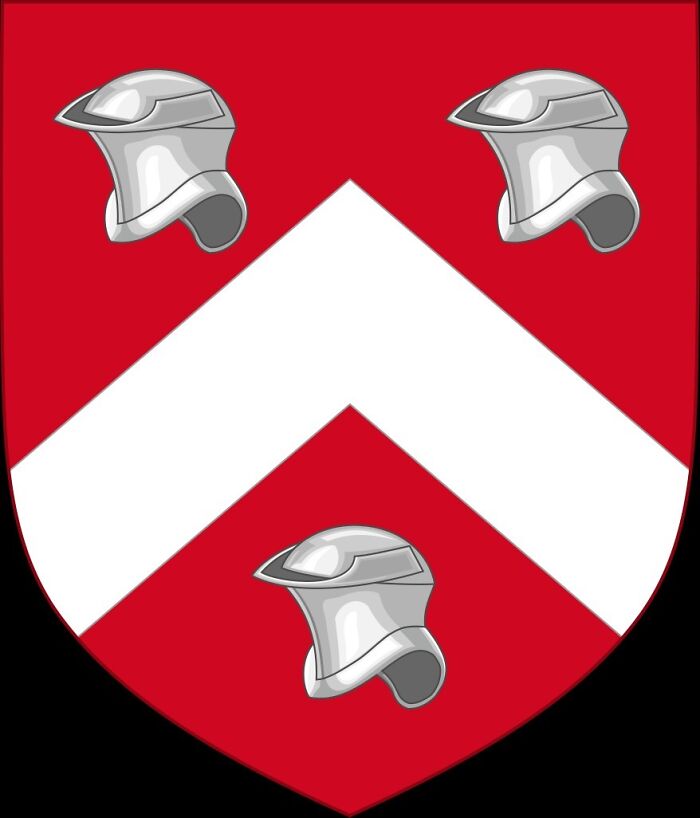
King Henry VI’s mother, Catherine of Valois, became a widow after her husband, Henry V, passed away. Instead of spending the rest of her life single, she began an affair with Welsh Nobleman, Owain ap Maredudd ap Tudur. Even though she was prohibited from remarrying without the parliament’s or king’s consent, she married Owain anyway. Owain eventually changed his name to Owen Tudor and had five children with Catherine. That is when the Tudor dynasty was born.
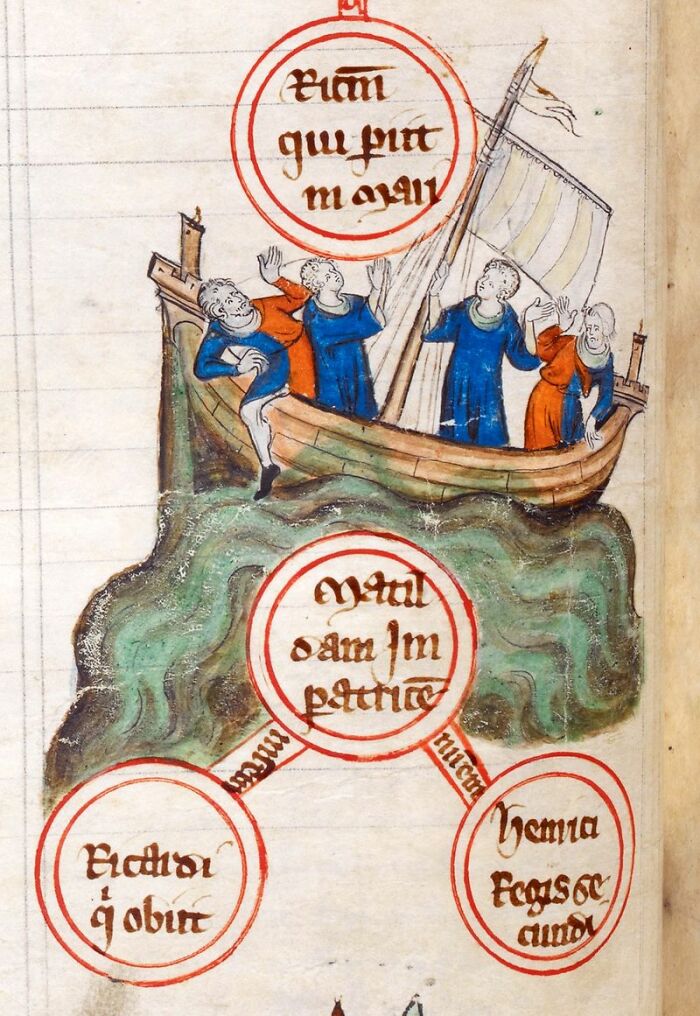
Stephen of Blois was King of England from 1135 to 1154. In 1120, before he became king, Stephen was meant to sail on the ill-fated White Ship with the heir to the throne, William Adelin. On the day the White Ship set sail, Stephen chose to board another vessel instead, either due to a bad case of diarrhoea or concerns about overcrowding on board. The ship sank en route, resulting in the tragic loss of Adelin and all but one passenger.
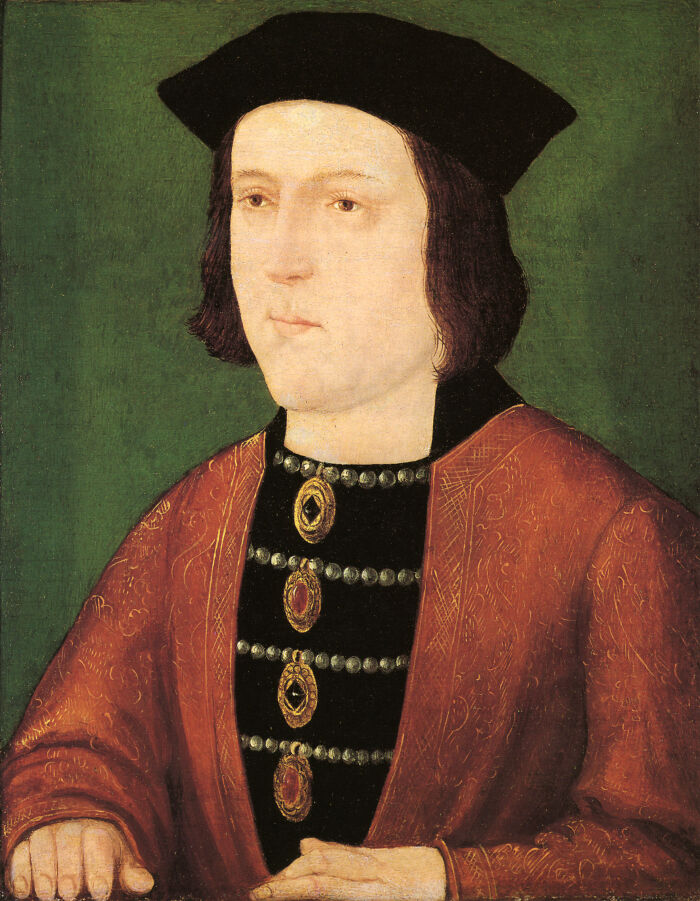
In the 15th century, the Medici Bank was the largest and only bank in Europe that lent money to other states and governments. During the Wars of the Roses, Edward IV was one of the bank’s clients. He proved to be a costly liability to them since he never actually paid back any of the money he borrowed in cash. These bad debts and other factors ultimately led to the bank’s decline.
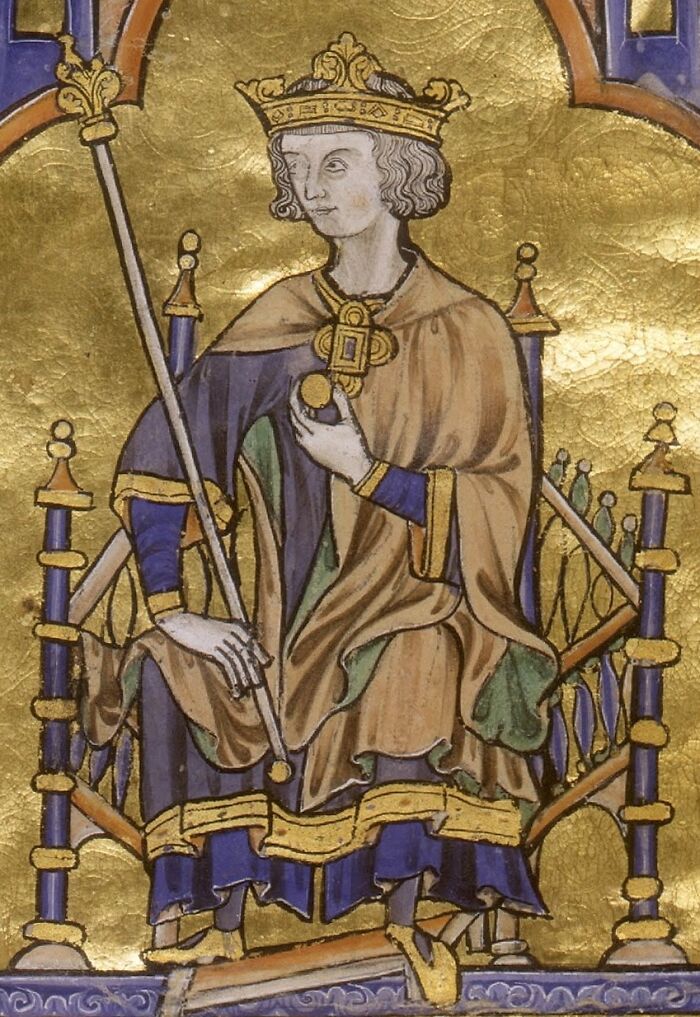
King Louis IX, also known as Saint Louis, was king of France from 1226 to 1270. He was well-respected in the Christian community and revered as a fair and judicious leader. In addition, he was extremely pious and strictly enforced Catholic orthodoxy. This is why two decades after his passing, he was officially recognized as a saint by Pope Boniface VIII. He remains the only French monarch to have been canonized.
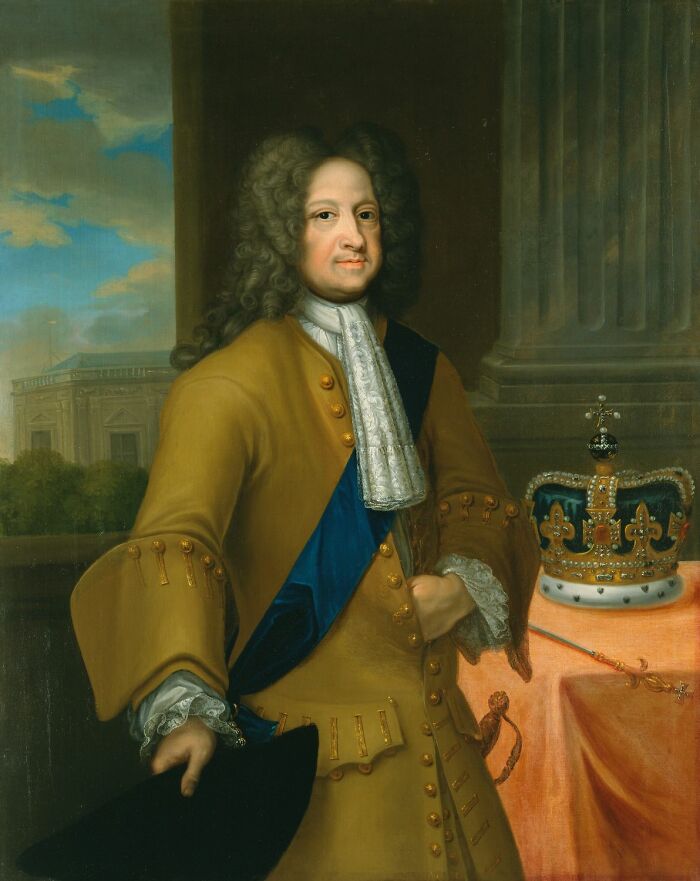
When Queen Anne of Great Britain passed away without children, a succession dilemma began due to the Parliament’s Act of Settlement. The law prohibited Roman Catholics from inheriting the throne, leaving over 50 claimants ineligible. George I went from being a distant claimant to being third in line for the throne, and in 1714, he became the first British king from Hanover.
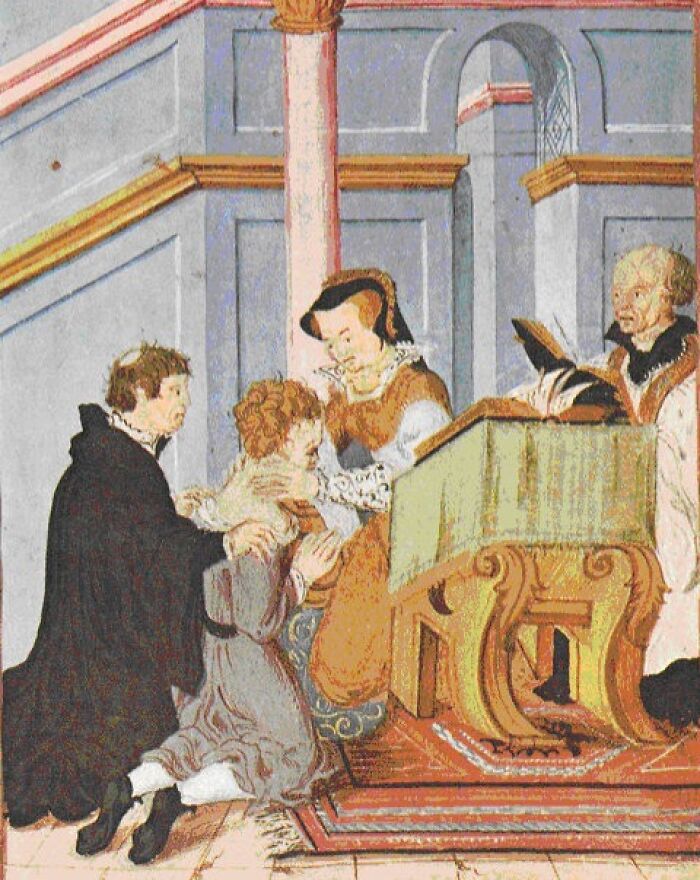
In medieval and early modern times, Europeans thought that the monarchs had a divine touch that could cure them of disease. One such disease was scrofula, also known as “the King’s Evil,” which rarely caused any fatalities. Many actually believed the king’s touch was behind all the recoveries. Monarchs exploited this ‘healing power’ using it to solidify their reigns and dynasties.